War, Energy and Inflation: Impacts on the Luxury Real Estate Market
The pressure of costs and interest rates
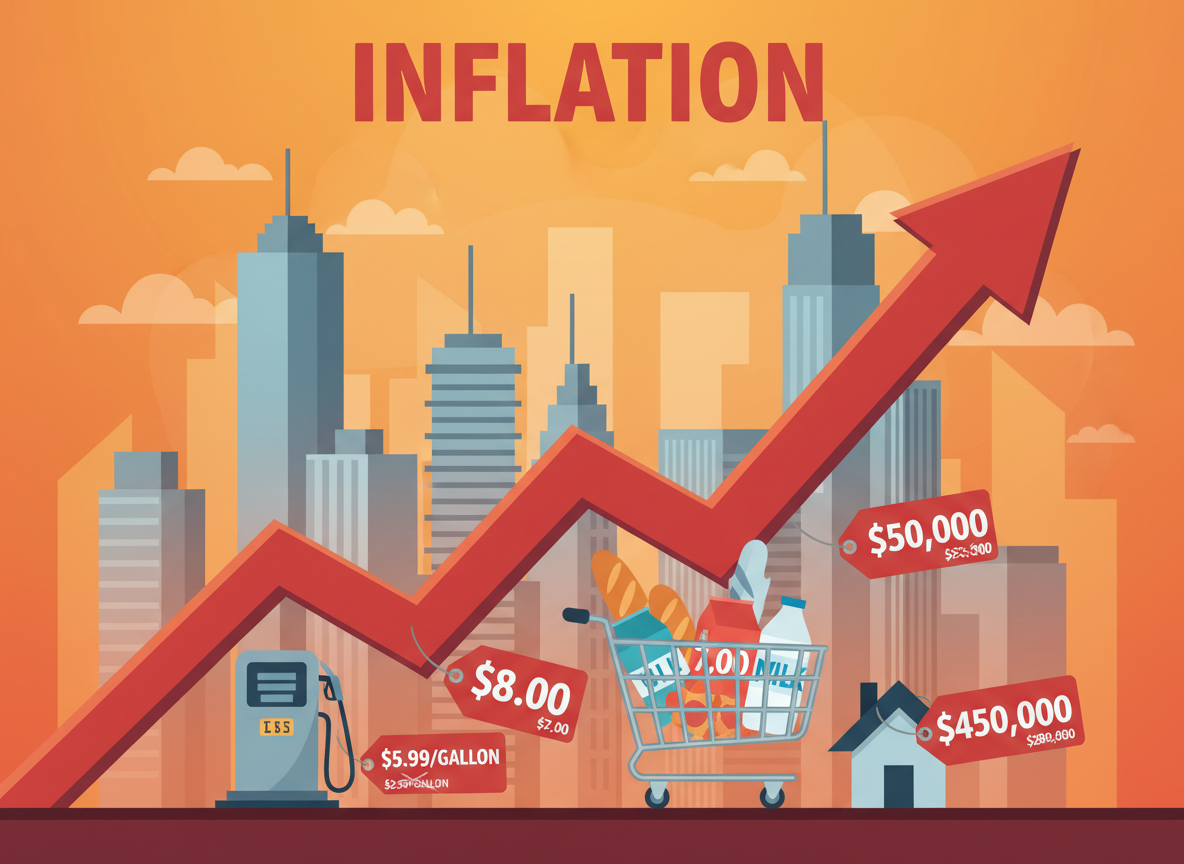
War and rising oil prices drive up the cost of transport, construction materials and electricity, pushing building costs higher. At the same time, inflation forces central banks to raise interest rates, which reduces credit availability and housing affordability for the middle class. As a result, projects targeting this segment tend to slow down, and the number of new developments declines.

The luxury market as a protective asset
By contrast, the luxury property segment tends to react in the opposite way during periods of instability. Large institutional and high-net-worth investors seek real assets to shield their wealth from the erosion of monetary value. Property, particularly in premium locations, is seen as a safe means of preserving patrimony and, in many cases, as an asset tied to the dollar or euro, given that many of these properties have their pricing or demand linked to foreign investors.
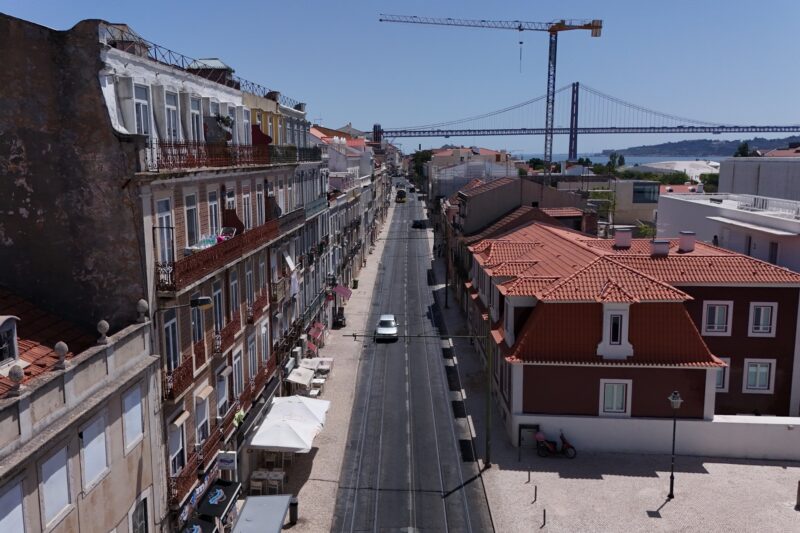
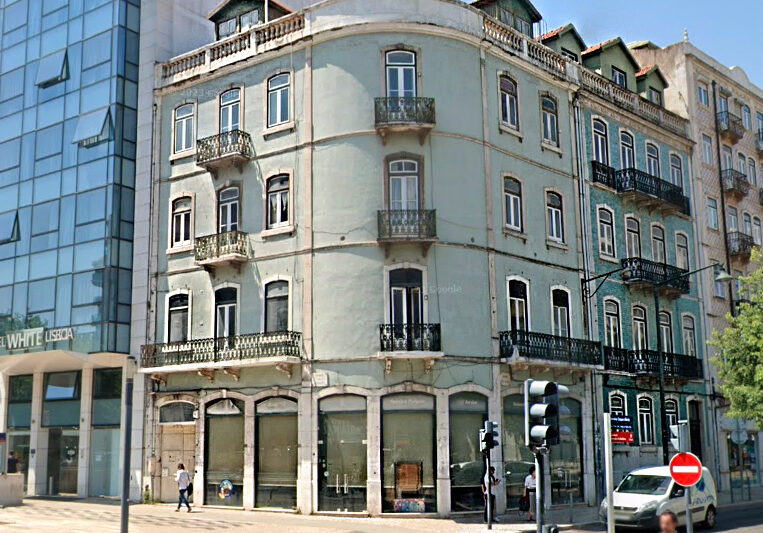
This demand can generate further appreciation in luxury properties, since the number of units is limited and supply tends to be inelastic in the short term. In cities such as Lisbon, São Paulo, Miami and Dubai, for example, previous global crises have demonstrated the same pattern: prices in the luxury segment hold firm or even rise when capital flees towards tangible assets.
Beyond security, there is also the portfolio diversification function. Investors who reduce their exposure to equities or bonds due to geopolitical uncertainty frequently redirect part of their capital into prestige real estate, whether through direct purchase or via real estate investment funds. This capital flow can sustain the sector even in scenarios of moderate recession.
Conclusion
While war and inflation weaken the real estate market for the middle class, the luxury segment tends to emerge strengthened, favoured by the search for protection and stability. In a global environment of uncertainty, and with the real value of property holding firm against monetary devaluation, assets in the upper segment establish themselves not merely as a status symbol, but as a smart and strategic form of investment.